John Carpenter – Cathedral (Sacred Bones)
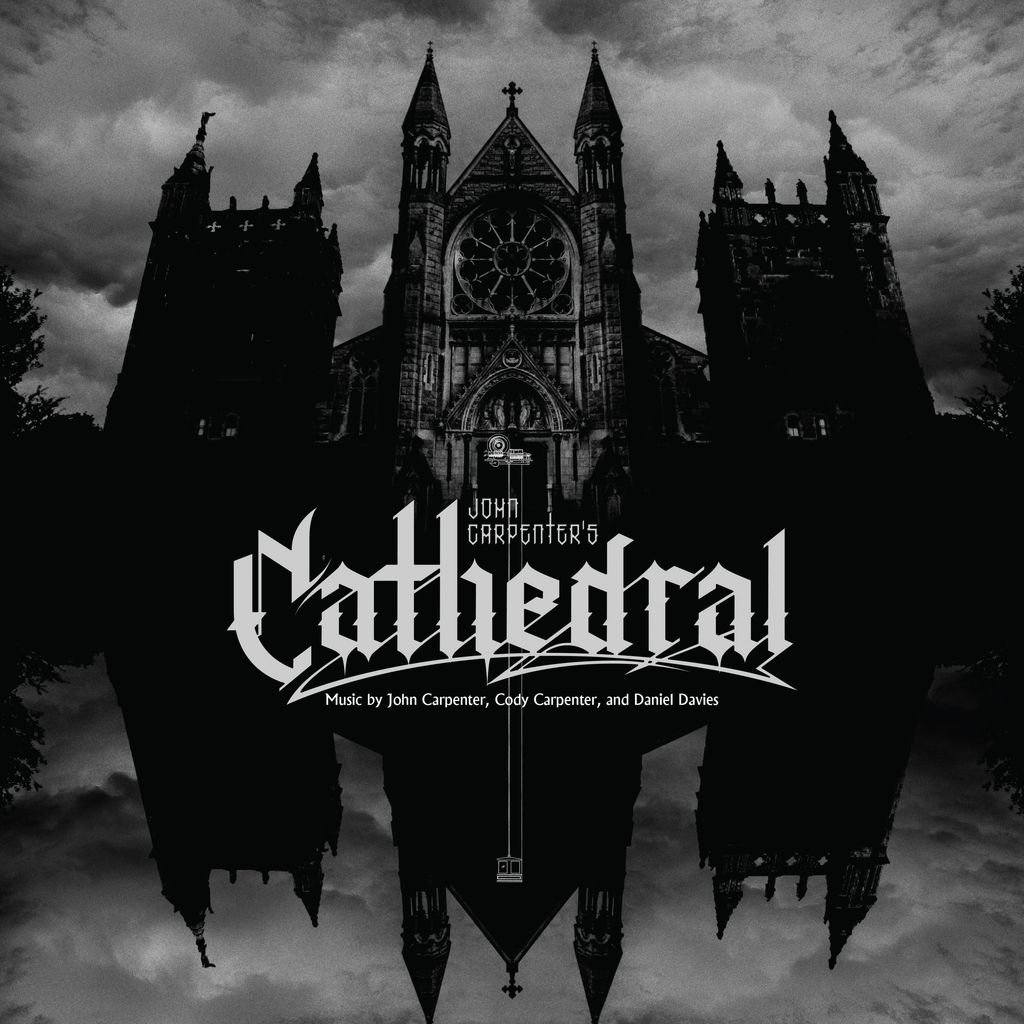 Based on a dream experience from the master of horror, ‘Cathedral’ is a vision of an explorative journey inside what forms a graphic gothic novel, Carpenter’s first of the kind. It opens on the guitar syllabics of ‘Primeval’ and smacks of heavy metal intertwining with organ keys in ‘Identity’, in what he calls his first heavy metal album.
‘Inside Out’ opens into a gladiatorial synthscape, the frazzling purr of guitar building through drums bashings to a crescendo of hymnic synth chorals with a mid-section of a fleeting kaleidoscope dream; a bewailing guitar then layers over. ‘Elevator’ combines thunder drums with chugs of funky guitar while ‘Elevator Two’ sees sirenic vocals and scurrying string pluckings, with an echo of ‘Lost Themes’ ending in grandeur organ and percussion rumblings as the cathedral walls rise up triumphantly before the dreamer.
‘The Mapmaker’ is a playful composition on classical piano: it meanders around a string section like a spiralling staircase. The velcro riff strips of ‘Lord of the Underworld’ brings the pace back upbeat, with spidery keys albeit forming quite a repetitive drive.
The remainder tracks have more similarities in composition, with the album ending on the cellic undertones and sweet violin melody resulting in an uplifting celestial end, so whilst the production could be shorter this overall is yet another masterpiece soundtrack.
‘Cathedral’ is available now on vinyl, limited edition coloured vinyl, CD and digitally.
© Ayisha Khan.
A Certain Ratio – The Joy of Sextet / Force Majeure (Mute)
 To time with the 40th anniversary of their 1986 fifth studio album ‘Force’ and the 45th anniversary of their third studio album ‘Sextet’, A Certain Ratio release these two albums side-by-side as newly compiled 9-song track lists, featuring unreleased original versions including the title track, ‘Force’, which did not appear on the original version. Founding member and guitarist Martin Moscrop, having listened to the recordings many years later, felt that these early recordings overseen by producer Stuart (Jammer) James, sounded good enough to be released many years later.
Funk track ‘Bootsy’ has a electrified feedback drudge noise with a rough-and-ready sound underlying the melodious clarinet; ‘Naked and White’ similarly weaves industrialised drumming and cymbal crashes while ‘And Then She Smiles’ echoes the softer sound of what would come later in songs such as ‘The Big E’ but with a more amplified brashness. ‘The Runner’ is singed in a more chaotic mould and title track ‘Force’ reveals the bones of the foundations of a later more produced sound, while instrumental boozy carnival percussive track ‘Nostromo a Go Go’ ends the release. Across all tracks, lead vocalist Jez Kerr’s vocals carry a strength of freshness.
By contrast, ‘The Joy of Sextet’ is a very different album in its own right: containing some of the band’s stalwart songs, namely ‘Lucinda’ and ‘Knife Slits Water’, it has more plucky basslines and the latter track also comes as a 12” release developed from the original session tapes by Andy Meecham (The Emperor Machine) who the band previously collaborated with on their past EP mixes. Originally recorded back in 1981, Meecham has modernised the original recording into a dancefloor track.
The album also contains rougher mixes of ‘Gum’, ‘Tumba Rumba’ and ‘Day One’ in their earliest versions, with Martha Tilson on vocals. Of the two releases, ‘Force Majeure’ holds more of an impact with its experimental sound, but both showcase a side of ACR that has been up to now undiscovered.
‘The Joy of Sextet’ and ‘Force Majeure’ are available now on vinyl, coloured vinyl, CD and digitally.
© Ayisha Khan.